

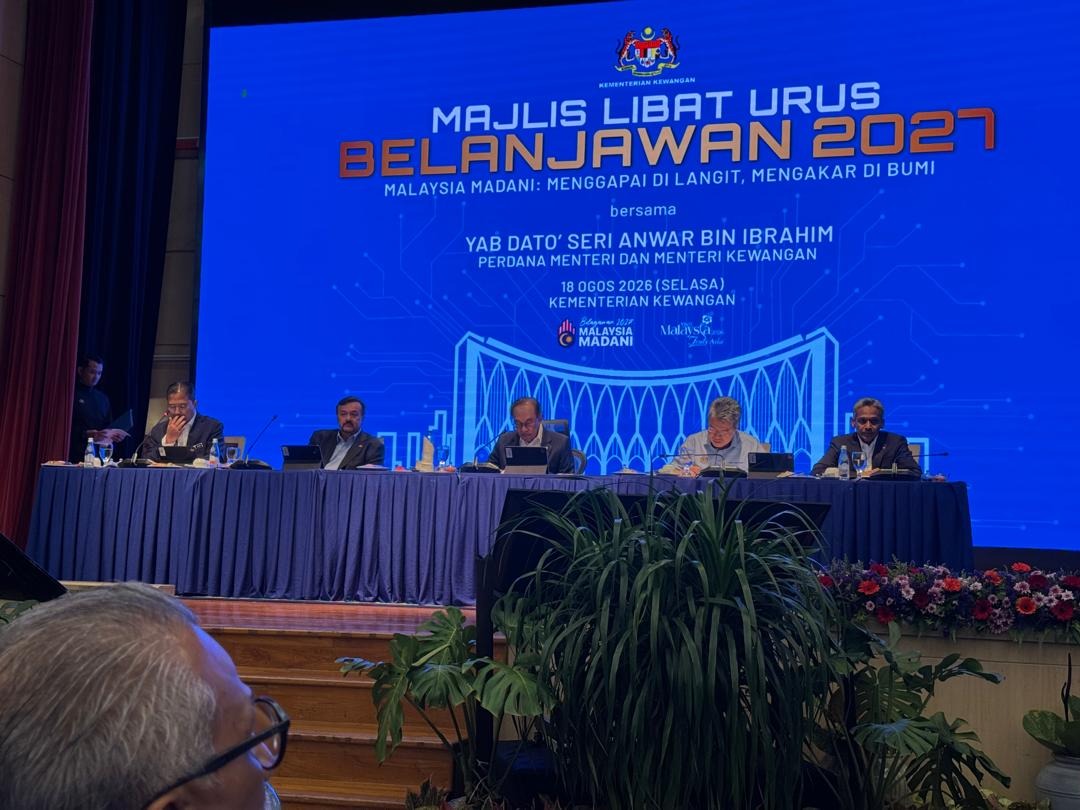
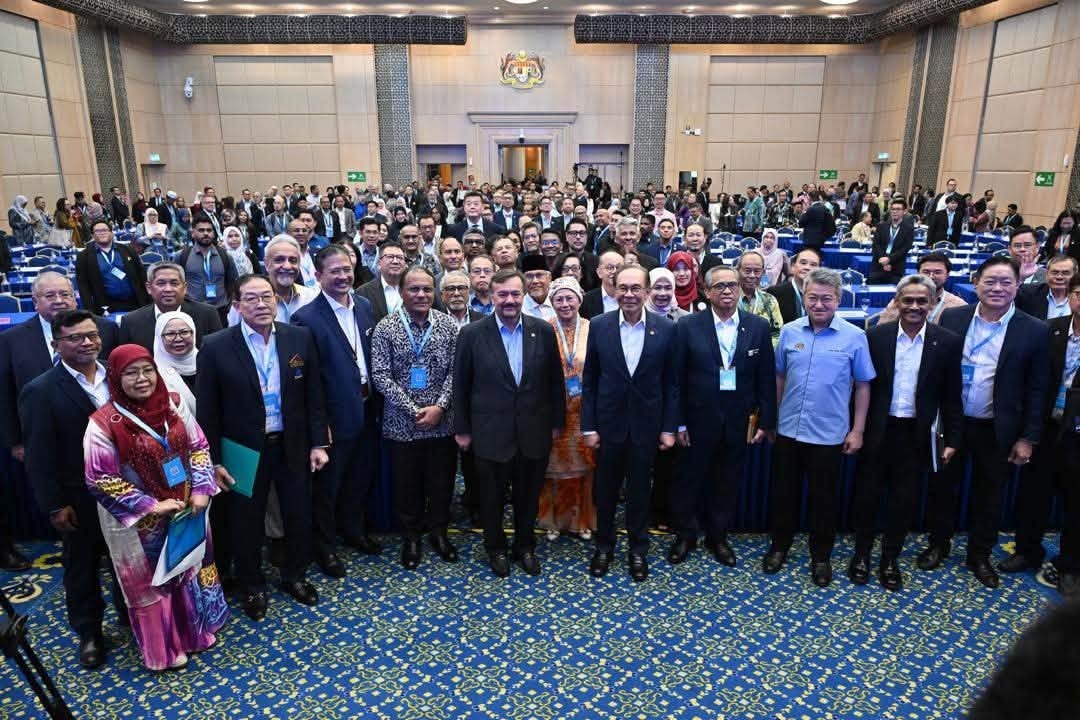
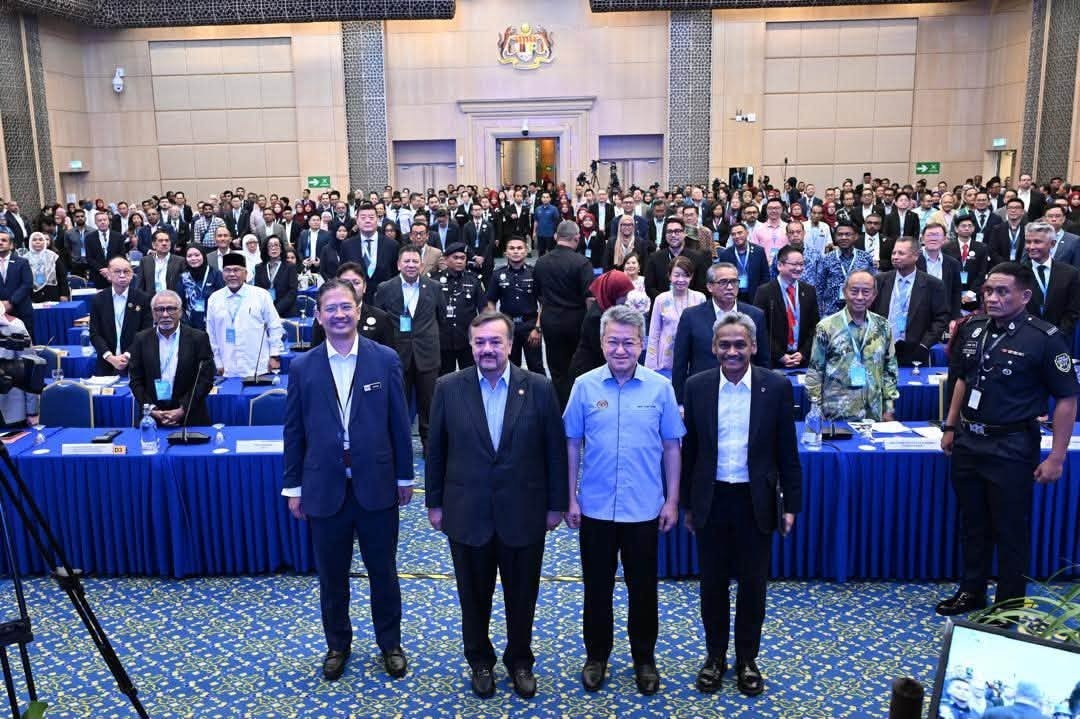
FMM President, Mr Jacob Lee Chor Kok, participated in the Ministry of Finance Budget 2027 Consultation Session held on August 18, 2026
FMM President, Mr Jacob Lee Chor Kok, participated in the Ministry of Finance Budget 2027 Consultation Session held on August 18, 2026 at the Ministry of Finance, Putrajaya, chaired by the YAB Prime Minister and Minister of Finance, Dato' Seri Anwar Ibrahim.
During the consultation session, Mr Jacob Lee had the opportunity to present FMM’s key recommendations for Budget 2027, centred on a fundamental principle of leaving more capital in the productive economy so that businesses can reinvest, raise productivity and create better-paying jobs. Mr Jacob Lee focused on three key areas:
- Leaving more capital within businesses, particularly SMEs, to accelerate automation, technology adoption, R&D, talent development and expansion into global markets;
- Competitive Corporate Tax Rates for SMEs, including a more competitive preferential corporate tax framework to strengthen retained earnings and support reinvestment, growth and export competitiveness; and
- Reintroduction of the Goods and Services Tax (GST) at a low rate of 3%, supported by safeguards for essential goods and services, as a broader and more transparent tax system that can reduce tax cascading while strengthening Government revenue.
FMM’s central proposition is that Budget 2027 should create the conditions for businesses to invest, grow and move up the value chain. Mr Jacob Lee stressed that more retained earnings would enable businesses to invest more in technology, R&D, talent and capacity expansion, which in turn would raise productivity and support better wages. Higher productivity and stronger domestic capabilities would strengthen local supply chains, enable manufacturers to move into higher-value activities and expand exports, ultimately contributing to stronger and more sustainable economic growth.
The objective is to have a tax and investment framework that enables industry to reinvest in Malaysia’s productive capacity while contributing to a broader and more sustainable revenue base for the nation. A stronger manufacturing sector means stronger businesses, better jobs and a more resilient Malaysian economy.
Our Services
News & Events
Helpful Resources
Contact Information
- webmaster@fmm.org.my
- +603-62867200
-
No.3 Persiaran Dagang, PJU 9,
Bandar Sri Damansara,
52200 Kuala Lumpur

Certified to IS0 9001:2015
Certificate No: QMS 00787

Certified to IS0 37001:2016
Certificate No: ABMS 00295